
Hamnet: A Review
Anna Guest
*Spoilers below
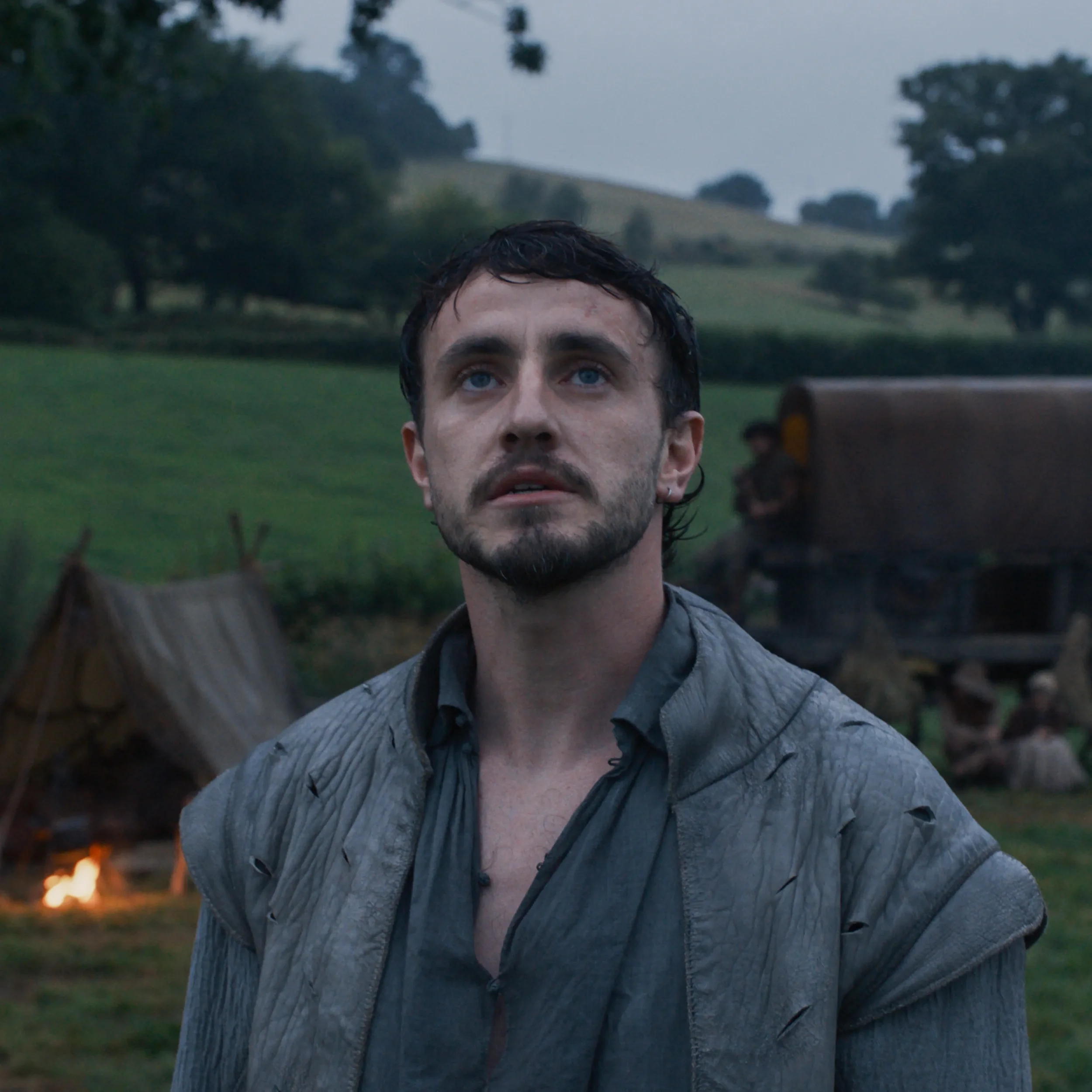
Paul Mescal as William Shakespeare in Hamnet. Photograph: Agata Grzybowska/2025 Focus Features LLC.
Chloe Zhao’s Hamnet was one of the biggest films of 2025. It has a stellar cast: Paul Mescal as William Shakespeare, Jessie Buckley as Agnes (Anne) Hathaway – and Joe Alwyn as Agnes’ brother Bartholomew. It was nominated for eight Oscars, including Best Picture, and led Buckley to be the first Irish woman to win Best Actress. Based on Maggie O’Farrell’s 2020 novel of the same name, Hamnet is a fictional account of William and Agnes’ lives and the loss of their son Hamnet. It draws on the historical speculation that Hamlet, interchangeable with the name Hamnet, was based on this death.
The film centres around Agnes’ experience; from a carefree woman interested in natural healing, to a mother transformed by grief. Buckley gives a performance wholly deserving of her Oscar, and Zhao creates an unfiltered depiction of bereavement, binding us to Agnes through long takes and closeups. Online, there was an outpour of deep connection to the film, particularly from women who have faced the same pain as Agnes in losing a child, and are perhaps seeing it depicted in such a visceral light for the first time. Furthermore, an online trend consisting of “before” and “after” Hamnet showed cinema goers finishing the film with puffy eyes. While incredibly sad, Hamnet ends on an optimistic note. During its final scenes, Hamlet is performed at the Globe, and it is revealed that William has written the titular character to symbolise his son. As actor Hamlet, Agnes reaches out her hand, now able to say goodbye to her son. Finally, Agnes lets herself smile, a glimmer of hope rising as the credits roll.
There are standout performances from the younger cast: particularly Jacobi Jupe as Hamnet, portraying the introspective brother who dies after wishing to trade places with his dying sister, and Jacobi’s older brother Noah Jupe, who plays Hamlet at the end of the film.
There is also a strong team behind this film. Max Richter provides a haunting soundtrack, including his acclaimed On the Nature of Daylight. Fiona Crombie’s immaculate production design – including Elizabethan streets, candlelit houses and a recreated Globe theatre – immerses its audience in 16th century England. Łukasz Żal’s cinematography is captivating, particularly in sequences of Agnes in the forest. The costumes, by Malgosia Turzanska, create a feeling of historical accuracy whilst keeping a unique aesthetic – such as Agnes’ uniformly dress.
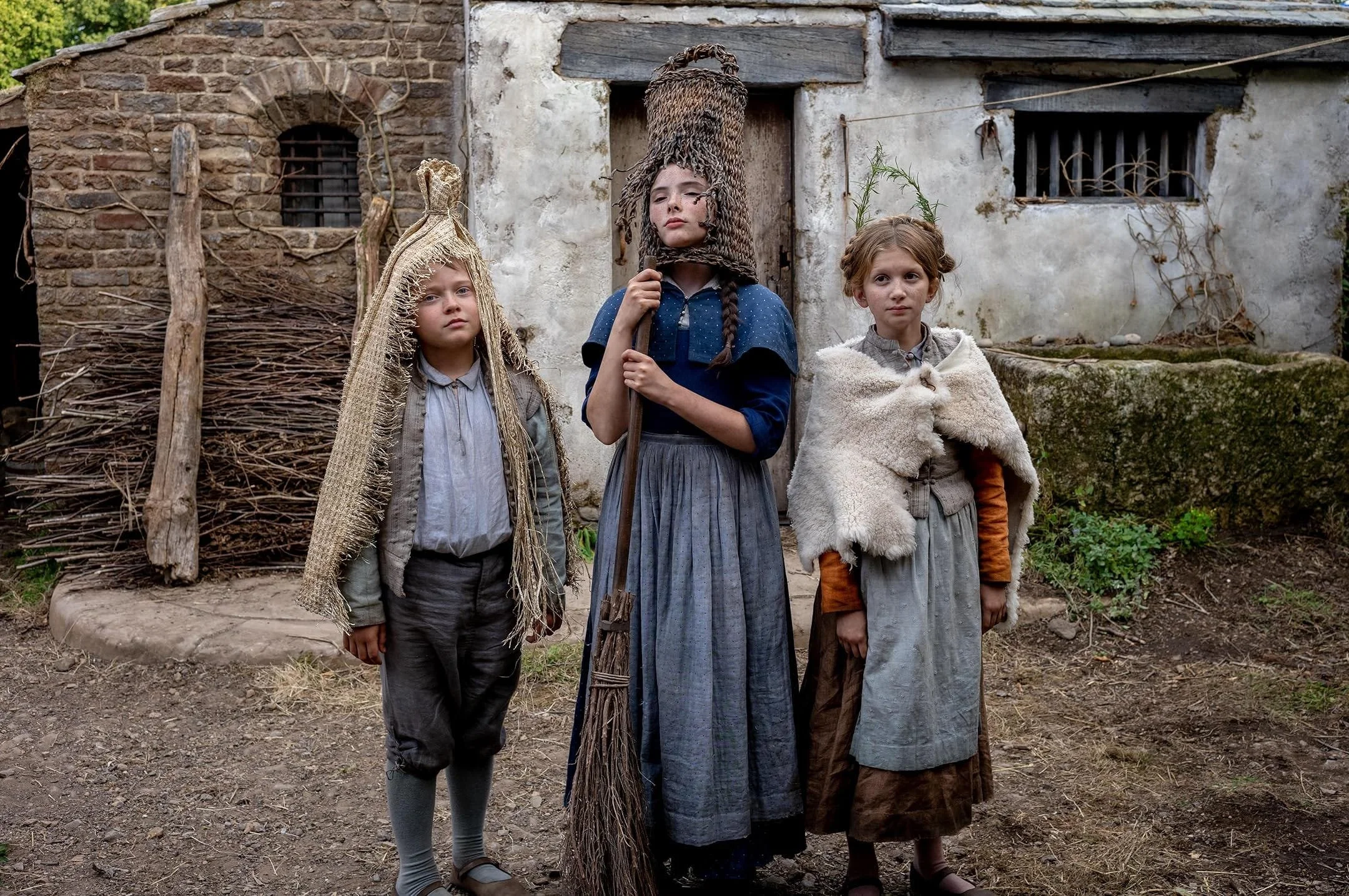
Wiliam and Agnes’ children in Hamnet. Photograph: Agata Grzybowska/2025 Focus Features LLC.
The film sometimes borders on melodramatic – such as William reciting ‘to be or not to be’ at the water’s edge. At times, sequences might overstay their welcome, and the ending, while effectively moving, does linger a while. Mescal’s performance also feels slightly impassive considering his past performances – but perhaps this is Zhao’s intention in depicting William as emotionally restrained.
Regardless, Hamnet is worth watching, for the strong performances and powerful story that Zhao tells. Her interest in spirituality and nature give the film an otherworldly feeling that draws you in for just over two hours.
