
To See or Not to See? Sentimental Value
Anna Guest
If you follow the film world, you will have heard of Sentimental Value (2025), directed by Joachim Trier. It received a 19-minute standing ovation at Cannes and has been nominated for nine Oscars – including best picture, best actress (Renate Reinsve), and best supporting actors (Stellan Skarsgård, Inga Ibsdotter Lilleaas, and Elle Fanning).
The film’s structure is a series of vignettes tracing a broken family’s past and present, centred around the house they all lived in. It explores intergenerational trauma and familial love. Skarsgård gives a moving performance as Gustav Borg, an ageing and acclaimed director. His estranged daughter, Nora Borg, is played by Reinsve, collaborating again with Trier after his previous success, The Worst Person in the World (TWPITW). Fans of the former film will be happy to see Reinsve reconnected with Anders Danielsen Lie, who played Aksel, her partner.
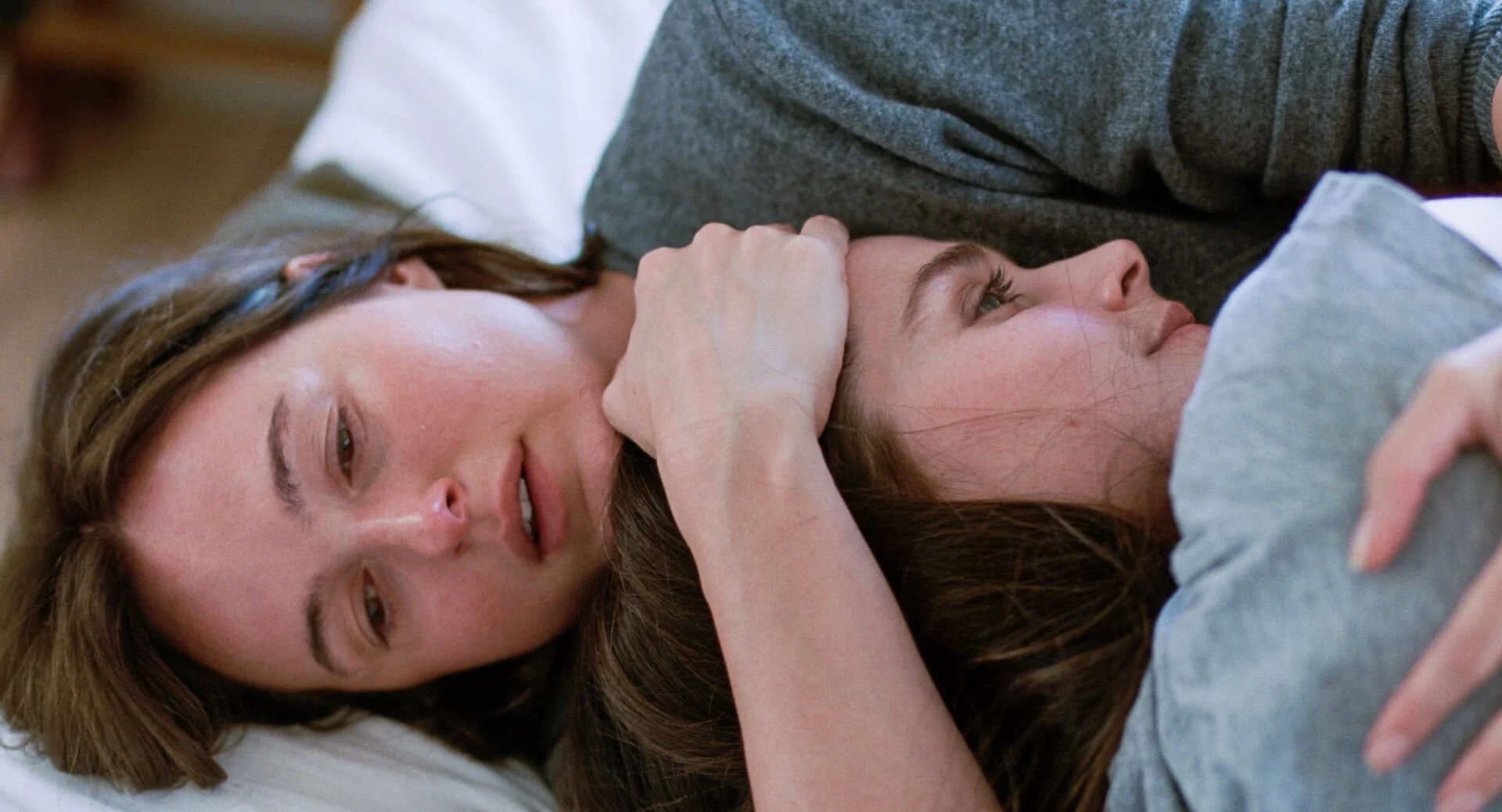
Renate Reinsve and Inga Ibsdotter Lilleaas in Sentimental Value. By Kasper Tuxen
Gustav attempts to reconnect with Nora by casting her in a film based on his mother, but she refuses, believing he does not understand or see her for who she truly is. Gustav instead casts Hollywood star Rachel Kemp, played by Fanning. Fanning gives a strong performance as an outsider to Gustav’s world, struggling to live up to his niche expectations. Her impressive acting on its own is not enough for Gustav, and nothing she does – neither dying her hair nor changing her closet – will bring her any closer to replacing his real-life daughter.
But the standout performance, seemingly agreed across the industry, is Inga Ibsdotter Lilleaas as Gustav’s youngest daughter, and Nora’s younger sister, Agnes, who superbly masks a quiet sadness while leading a traditional suburban family life. Scenes between Nora and Agnes often contain a nuanced portrayal of dysfunctional siblinghood.
However, the film’s cohesiveness and pacing seem to suffer from its attempts to cover so much. Unlike TWPITW, which followed one protagonist, Julie, Sentimental Value’s additional scenes of the past, combined with the 4 present main characters, lead to a broader, but more diluted study of the characters.
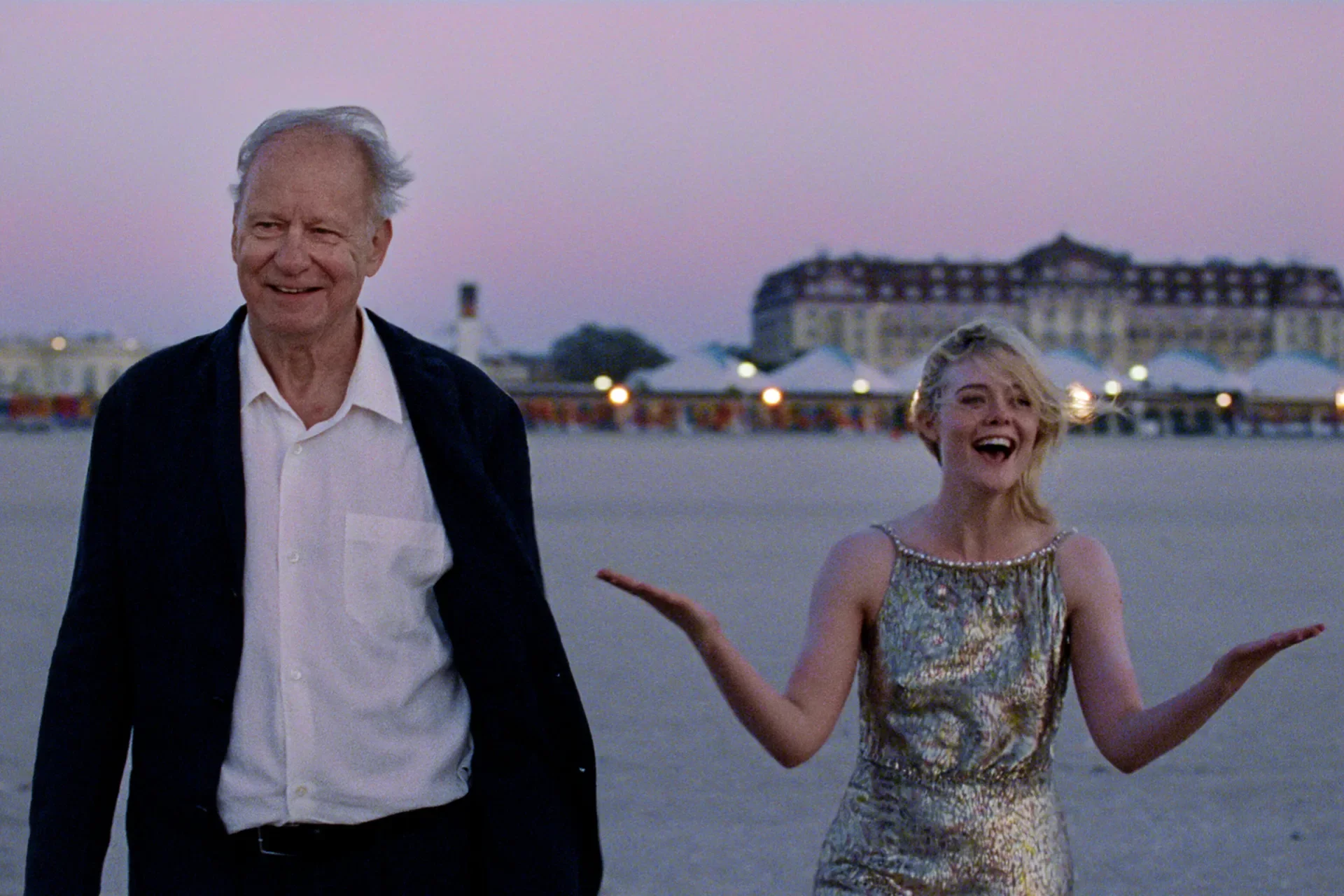
Stellan Skarsgård and Elle Fanning in Sentimental Value. By Kasper Tuxen
At 2 hours and 13 minutes, it feels too long, and yet not explored enough. It’s incredibly ambitious, and yet, somehow lacking. Like other recent lengthy films, it feels like it could be 1.5 hours and have the same impact. Furthermore, Nora, while played well by Reinsve, feels like an underdeveloped repeat of TWPITW’s Julie; the trope of an emotionally unavailable, self-destructive female protagonist feels stale this time around.
This ties into Sentimental Value feeling more self-indulgent than Trier’s previous hit, which feels somewhat expected given the growing stardom and budget of his career. While the film contains plenty of heart-tugging scenes – my sister and I cried throughout – it often feels like the heavy lifting stems largely from these sadder scenes. I found Inga and Elle’s performances, and the carefully curated soundtrack, to be the highlights of the film.
For the verdict: to see or not to see? I say to see. Though lengthy and ambitious, it is a moving and memorable experience, which is beautifully shot, and the performances alone are a treat to watch.
